
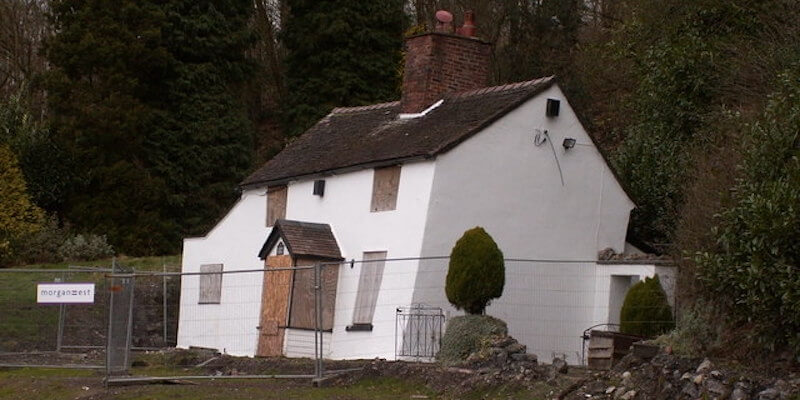
Of the many issues regarding development at 3 Suburban Road, subsidence is probably the most complex, and given that it is a worldwide issue of increasing concern, I feel it deserves a little delving into.
Simply put, ground subsidence means the ground is sinking- it describes the downward movement of the earth’s surface as things below ground compress or deplete. This vertical motion can be gradual or sudden, and is a natural phenomenon- everyone knows that things settle over time. However, subsidence can also occur as the result of man-made or man-induced causes, including extraction of subsurface resources like water, and development beyond what the ground can physically support. Many people have heard that Venice is sinking, but relatively few know that central California is contending with significant ground subsidence due to over extraction of groundwater for irrigation, or that parts of Jakarta are sinking at a rate of 10 inches per year due to the sheer mass of buildings on its soft soils.
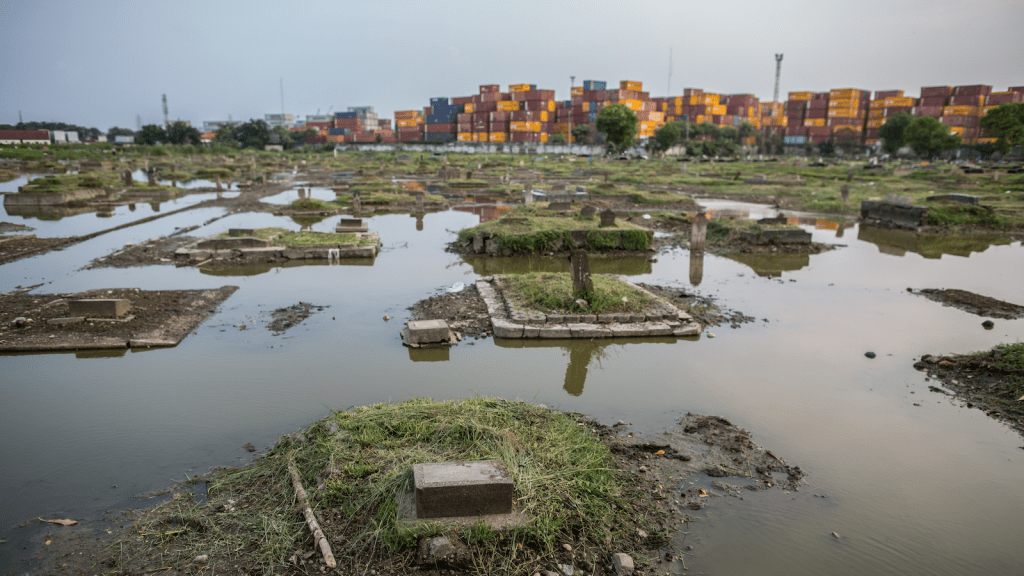
3 Suburban Road and the surrounding areas aren’t faced with a significant threat of groundwater extraction- no one has proposed putting a data center there…yet. Nor is it, like Jakarta, an over developed coastal area full of skyscrapers that are sinking below sea level. But it is full of peat topped with loose “fill,” and so what actually constitutes “over developed” isn’t entirely clear.
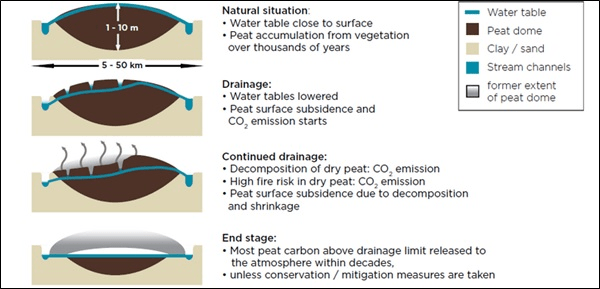
Peat is fibrous, squishy and not very strong. When it’s compressed, the fibers rearrange unpredictably and without uniformity, leading to uneven settling of homes built on top. Diversion of water and drying of peat can cause it to oxidize, which ultimately can lead to the ground seeming to disappear altogether. Abutting homes built on Haviland Street or Highland Street, and all those west of Suburban to Chalmers sit on the same peaty system as 3 Suburban Road. Some homes in these areas have already shown signs of ground subsidence. Most surprising to me, however, is that 5 Suburban Road is showing signs of ground subsidence as well.
The 8-story Highland House at 5 Suburban Road was considered innovative for its time. Its foundation was designed to rest on top of concrete sealed steel pilings. This is pretty common now, but in 1963 when the plans were proposed, it was the first time anyone had attempted to bypass the building limitations of Worcester’s Peat Meadow. Local legend has it that the footings for those pilings rest on bedrock, which is why I was surprised to receive an estimate that the building has settled around 6-7 inches, or roughly 2.5 mm per year- a moderate rate of subsidence expected for a coastal structure or something in an area of dense skyscrapers. 5 Suburban Road is neither of those things, but it does sit on a peat bog.
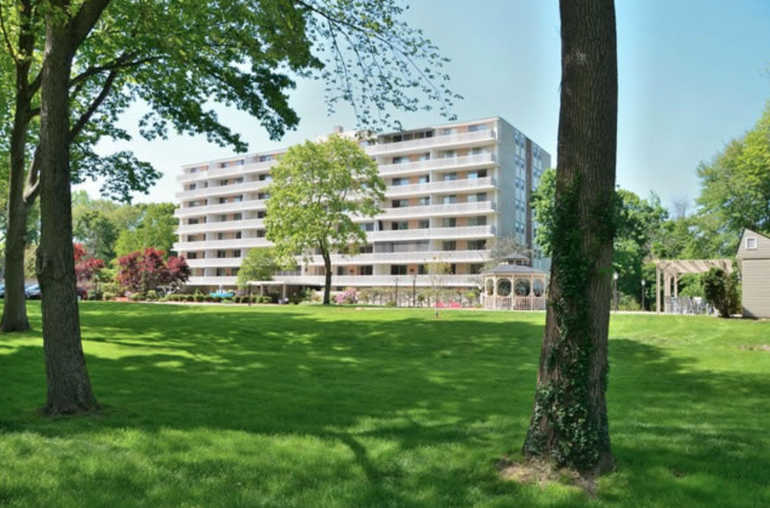
Contrary to legend, the Highland House pilings do not sit on bedrock. According to the 1963 building plan, the pressure injected footings were driven to “sand and gravel strata below all fill, peat & undesirable material.” We now know that the sand and gravel layer of that land holds a substantial amount of water. This explains why the building expereinces frost quakes every winter, and why it’s sunk substantially more than one would expect for something built on solid bedrock in an area without any other huge buildings. All that said, the Highland House, now known as Highland West, is 60 years old and hasn’t failed a building inspection in all that time. No one reports any cracks. Despite all the fill, peat and water below it, it’s doing great. But that could change.
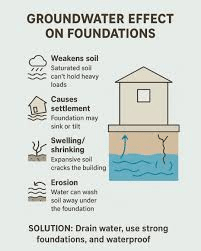
Some have argued that because the Highland West apartment building is fine, its existence disproves any arguments about the land being unsuitable for building. The problem with that reasoning is subsidence effects aren’t isolated events, they’re cumulative; it’s the collective load of ALL the buildings on a soil system that matters. This means just because you got away with building one doesn’t mean you’ll be just as successful with the second, or the third… or the seventh as the case may be. Density matters; the more closely together high rise buildings are situated on soft soils, the greater this subsidence superimposition effect.
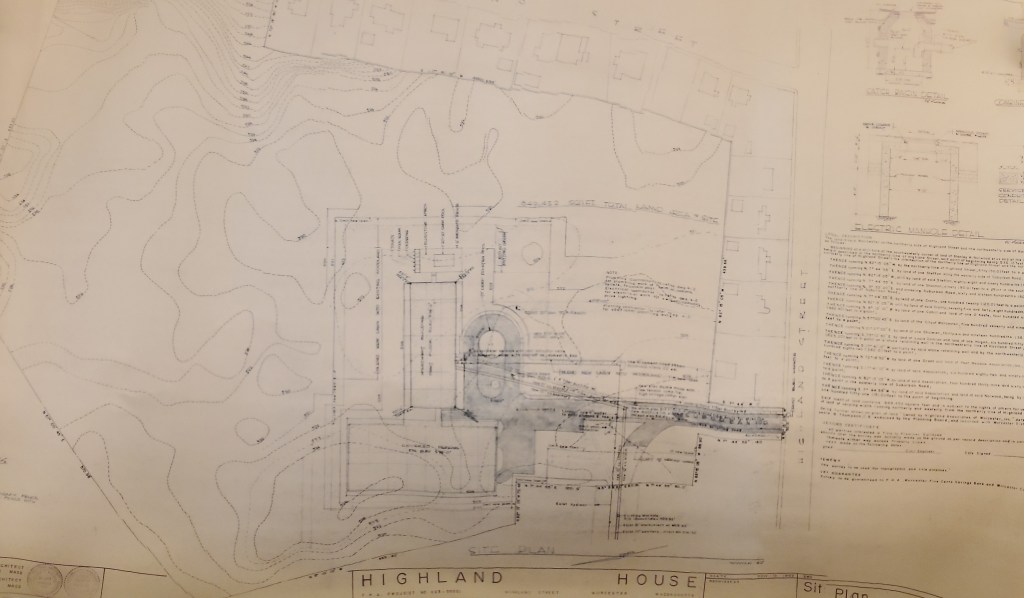
That is not to say that one couldn’t build on the site, the question is at what cost. There are engineering solutions for peaty soils, some better than others. Construction failure can lead to displacement of residents at best, and death at worst; obviously it’s something that should be avoided. But this isn’t land in the middle of nowhere. It’s surrounded by densely developed neighborhoods. And unfortunately, everything that can be done to lower the risk of construction failure for a new building at this site creates new risks to the surrounding area and any structures already there.
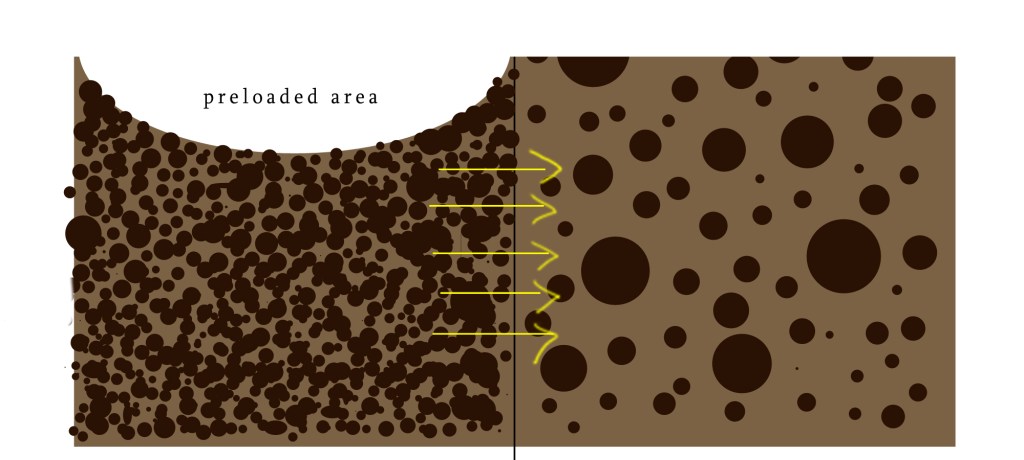
For example, preloading (or pre-squishing if you will) allows builders to anticipate ground subsidence on soft soils before building. This helps to avoid any uneven settling issues with a new build. At the same time here, however, it would also lead to a densely packed area of soils next to the natural, looser, soft, wet peat that makes up the surrounding area. Denser soils would exert a higher pressure than the looser soils, creating lateral movement away from the new buildings, leading to bowed walls, cracked foundations, and uneven settlement of older buildings, homes, and infrastructure that surround the site.
Other techniques for improving site aren’t any more comforting. Removing or redirecting groundwater, which would be necessary to build here, will likely lead to ground subsidence somewhere where water once was, but no longer can get to. Vacuum compression, peat stabilization with polymers, or removal and replacement of the peat all will change the site’s relationship to groundwater, and increase the risk of subsidence in some areas, while exacerbating potential flooding issues in others.
All that is to say, it’s hard to predict exactly what would happen to the ground if development of 3 Suburban Road were to occur in any capacity, let alone a highly dense one. Development at 3 Suburban Road is not a question of whether we are willing to sacrifice a pretty meadow as a step towards meeting the city’s housing unit production goal. There are 93 apartments in Highland West, and 18 homes that directly abut this property and closely share the same soil system. There are hundreds more homes that sit on former areas of the bog or at lower elevations that could be affected if building and subsidence significantly reduce Peat Meadow’s capacity to hold water. Worcester long ago sacrificed its Peat bog to construct neighborhoods. The question now is if it is willing to sacrifice those neighborhoods to construct an apartment complex.


Leave a comment